

Talking about money is uncomfortable.
It gets even harder when rent is due, leads are slow, and a prospect says, “That’s out of our budget.”

You want to stand firm. You need the cash. And suddenly, you’re negotiating from fear instead of strategy.
If you’re a freelancer, consultant, agency owner, or service provider, this guide will show you how to negotiate pricing confidently, protect your value, and avoid getting stuck with low-paying clients who drain your time, energy, and resources.
This isn’t about being greedy. It’s about building a sustainable, profitable business.
Read More: How to Ask for Flexible Work Even If Your Company Has RTO
Why Low-Paying Clients Cost You More Than Money
Many professionals accept low budgets because they’re afraid of losing the deal. Ironically, that fear keeps them stuck in a cycle of low-value work.
The goal isn’t to reject every small budget. The goal is to control the structure of the deal so it works for you.
Undercharging doesn’t just hurt your bank account. It creates:
Burnout from over-delivering
Resentment toward clients
Scope creep and constant revisions
Opportunity cost (you’re too busy for better clients)
Step 1: Do Thorough Market Research

The biggest pricing mistake? Guessing.
Before negotiating, you need to understand:
Competitor pricing: What are others in your niche charging for similar services?
Client expectations: What deliverables are considered standard?
Your unique value: How does your expertise, speed, or results justify a premium rate?
Market trends: Are clients paying more or less in your sector this year?
How to Conduct Research
Google search: “How much should I charge for X” or “Freelance X rates 2026.”
Competitor websites: Some openly list pricing. Note the range and what’s included.
Mystery shopping: Experience competitor services firsthand to gauge quality, scope, and pricing.
Forums & groups: Communities like Reddit, LinkedIn, and industry-specific forums often share real-world numbers.
Read More: 5 Best Effective Methods For B2B Market Research
Cost-Based vs. Value-Based Pricing
Cost-based: Calculate expenses + profit margin. Safe but often leaves money on the table.
Market-based: Charge what others charge. Reactive, not strategic.
Value-based (recommended): Price based on the outcomes and ROI you provide.
Example: If your service helps a client generate $50,000, charging $5,000 is justified, even if your production cost is $1,000.
Step 2: Pre-Qualify Clients Before Sending Proposals

You avoid low-paying clients before negotiation even starts.
During discovery calls, ask:
“What budget range have you allocated for this?”
“Have you worked with someone like me before?”
“What does success look like financially?”
If they refuse to share a budget, anchor it yourself:
“Projects like this typically range between $5,000 and $12,000. Does that align with what you had in mind?”
Silence after this question is normal. Don’t rush to fill it.
If their reaction shows shock or hesitation, you’ve uncovered a misalignment early—before wasting hours on proposals.
Read More: Writing Winning Freelance Proposals | 10 Cookie Cutter Freelance Proposals That Are Hard To Refuse
Step 3: Stop Sending “Buy or Don’t Buy.” Proposals
Many freelancers make the mistake of offering only one price. This creates a binary yes/no decision, limiting negotiation flexibility.
Instead, use a three-tier pricing model:
Baseline — the safe, essential package
Premium — your most balanced, profitable option
Luxury — high-end, white-glove service
Step 4: Structure the Three-Tier Proposal
Baseline Option (Safe Zone)
This should match the client’s minimum viable budget.
It delivers:
Core results
Limited revisions
Defined scope
Clear timeline
This is your safety net.
If negotiation tightens, you can scale down to this version without slashing your rate.
Premium Option (Best Value)
This is typically your most attractive and profitable tier.
It includes:
Most clients choose this tier when positioned correctly.
Luxury Option (Anchor Strategy)
This is where you expand fully:
Price this 2–4x higher than baseline.
Even if they say no, it anchors expectations. The premium tier suddenly feels reasonable.
Read More: Here’s why freelancers need to focus on their proposals over their profile
Step 5: Pitch Prices Correctly
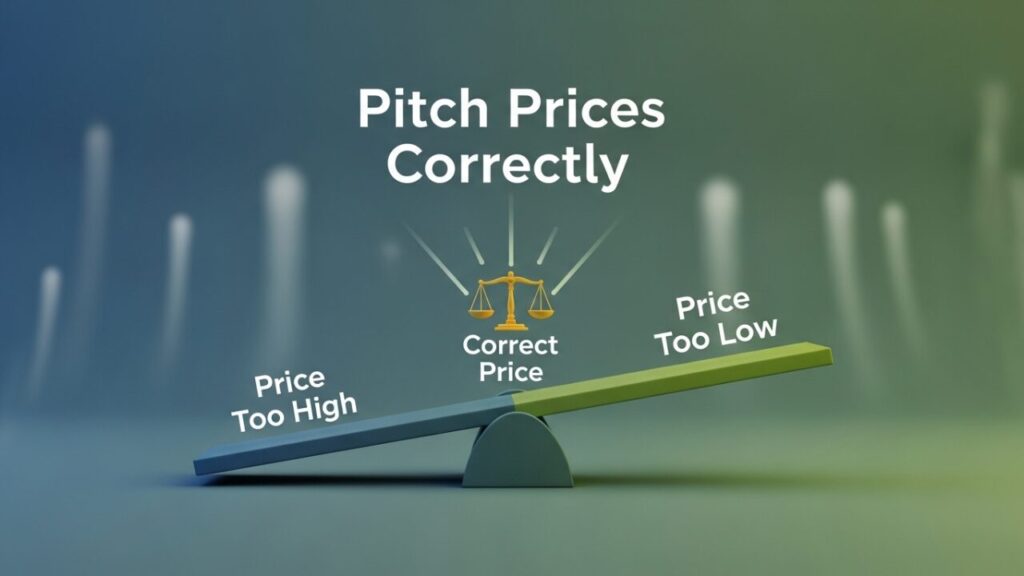
Order matters.
Always present:
Luxury
Premium
Baseline
Explain outcomes first.
Then reveal pricing.
After showing all three, ask:
“Which option feels like the best fit for you?”
Then stop talking.
Silence is part of negotiation power.
Most people sabotage themselves by discounting before the client even responds.
Step 6: If They Can’t Afford You, Negotiate Scope — Not Price

This is critical.
If a client says:
“Can you do it for less?”
Do NOT lower your rate.
Instead, say:
“We can adjust scope to match your budget. Let’s explore what that would look like.”
Adjust:
Fewer revisions
Shorter engagement
Simpler execution
Slower timeline
Reduced deliverables
Same rate. Smaller scope. This protects your positioning.
Step 7: Protect Yourself with Contracts

Contracts prevent low-paying clients from adding unexpected demands:
Specify deliverables, timelines, and revisions
Include payment terms (upfront deposits and milestone payments)
Define late fees or penalties
Milestone payment example:
50% upfront
25% mid-project
25% final delivery
Contracts protect both cash flow and your time.
Step 8: Build a Client Upgrade Path

Not every small client is bad.
Some grow into your biggest accounts.
Starter project → ongoing retainer → expanded services
Provide results that demonstrate ROI
Become a strategic partner, not just a task executor
A $1,500 project today can turn into six figures over time — if you position yourself properly.
Step 9: Know When to Walk Away

Sometimes the best negotiation tactic is walking away. Red flags include:
Pressure to lower your rate
Disrespect or poor communication
Unrealistic deadlines or vague goals
No contract commitment
Walking away can save stress, time, and energy, allowing you to focus on clients who respect your value.
Step 10: Strengthen Your Long-Term Position

The best way to avoid low-paying clients?
Increase demand for your services.
Publish content that positions you as an authority
Showcase measurable results
Share testimonials and case studies
Increase rates gradually each year
When leads come in, you negotiate from strength, not desperation.
Psychology of Pricing and Perceived Value
Clients don’t just pay for services. They pay for:
Your brand perception determines your negotiating leverage. Premium positioning attracts premium clients.
Read More: The 2026 Personal Brand Blueprint: How AI & Authenticity Will Shape the New Creator Economy
Final Thoughts
Negotiation is a skill. Structured pricing + confidence separates struggling freelancers from profitable professionals.
Survival may come first in early business stages. You might accept smaller deals occasionally. But always:
FAQs: Negotiating Pricing and Avoiding Low-Paying Clients
1. How do I respond when a client says I’m too expensive?
Shift the conversation to scope:
“We can adjust deliverables to fit your budget.”
Never reduce your rate immediately.
2. Should I ever discount my services?
Only strategically — for long-term contracts, referrals, or bulk work. Avoid random discounts out of fear.
3. What if I really need the money?
Take the project, but reduce the scope. Early-stage survival is fine; don’t normalize low rates.
4. How many pricing tiers should I offer?
Three: baseline, premium, and luxury. Increases closing rates and upsell opportunities.
5. How do I find clients with bigger budgets?
Improve your positioning: showcase results, target higher-revenue companies, and ask budget questions upfront.
6. What’s the biggest pricing mistake freelancers make?
Offering a single price, negotiating against themselves, and discounting too quickly.